
OpenAI 5% govt stake, Chromium 148 OS fingerprinting, Kode Dot pocket device
SaaStr recapped a 20VC podcast covering OpenAI potentially allocating 5% to the government, the Fable 5 ban lift, and frontier model economics. Kode launched a programmable pocket device built on ESP32-P4 and C5 chips with an AMOLED touchscreen, wireless connectivity, sensors, and physical I/O for makers and pentesters. Chromium 148 introduced fingerprinting vectors via `Math.tanh`, CSS trigonometric functions, and Web Audio compressor behaviors that expose the underlying OS through host `libm` rounding differences.
Top Stories
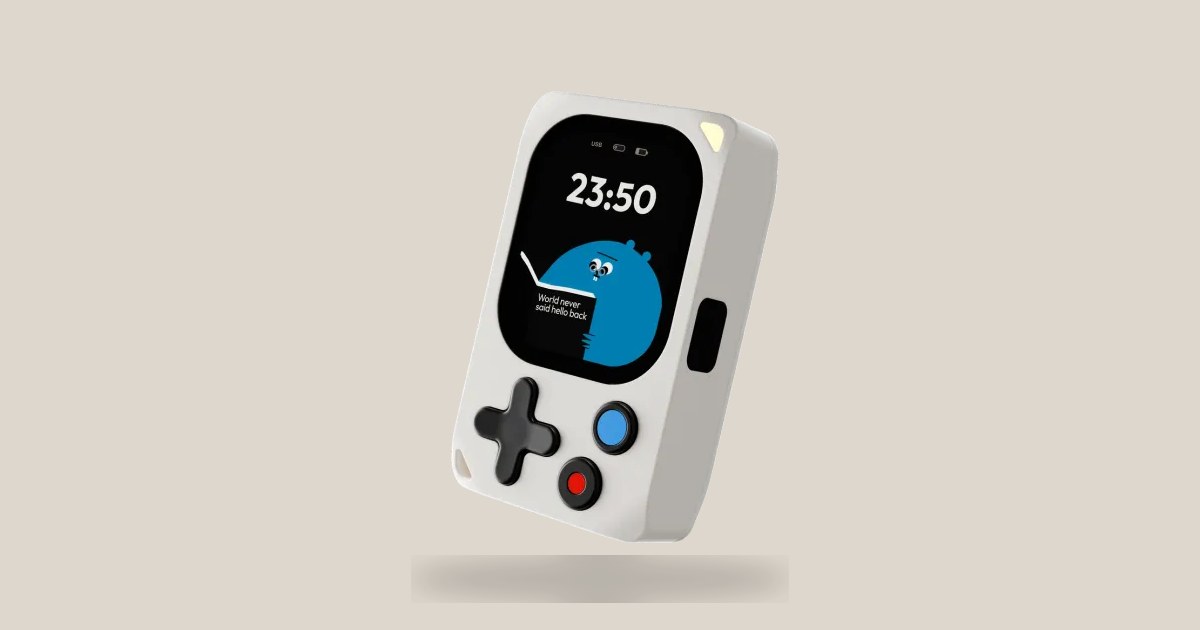
Kode Dot Programmable pocket device for makers, pentesters and geeks
Kode is a programmable pocket device featuring ESP32-P4, C5, AMOLED touchscreen, wireless, sensors, and real I/O for makers and pentesters.
Why it matters: Kode Dot launches a programmable pocket hardware device targeting makers, penetration testers, and hardware enthusiasts.

Since Chronium 148, Math.tanh is now fingerprintable to link underlying OS
Since Chromium 148, Math.tanh, CSS trig functions, and Web Audio compressor expose the underlying OS via host libm rounding differences.
Why it matters: Chromium 148 introduces Math.tanh implementation variations that enable operating system fingerprinting via browser timing attacks.